Healing Monitored Daily in Familiar Surroundings
Wound Care Support in Midway for individuals managing surgical incisions, pressure injuries, or slow-healing wounds
Georgia's humidity creates conditions where wound sites remain moist longer than in drier climates, increasing bacterial colonization risk if dressings are not changed appropriately or if air circulation around the wound is inadequate. Royalty Care Mobile Nursing Services provides wound care support that involves monitoring for drainage color changes, odor development, and tissue appearance that indicate whether healing is progressing or infection is developing. This service operates in Midway for individuals discharged with wounds requiring observation but who do not need daily skilled nursing visits once the initial treatment plan is established.
Support includes ensuring dressings remain clean and dry, documenting wound measurements and appearance changes for medical follow-up, and assisting with positioning that reduces pressure on healing areas. Caregivers observe whether prescribed ointments or cleansing solutions are being applied correctly and whether surrounding skin shows signs of irritation or breakdown.
Schedule an assessment to establish a wound monitoring routine aligned with your physician's care instructions.
Why Proper Wound Management Requires Daily Attention
Wound complications develop when moisture balance is disrupted—either too dry, causing scab cracking, or too moist, promoting bacterial growth. Monitoring involves checking whether wound edges are pulling together or separating, whether new tissue appears pink and healthy or shows discoloration suggesting inadequate blood flow, and whether drainage decreases as expected or increases in volume or changes in character. Assistance includes helping with transfers that avoid pulling on incision sites and ensuring nutrition includes adequate protein and hydration to support tissue repair.
You notice reduced anxiety about whether the wound is healing correctly when someone trained in observation checks it daily and documents changes. Infection gets caught earlier when caregivers recognize subtle signs like increased warmth around the wound or low-grade fever that might otherwise be dismissed. Comfort improves when dressings are changed promptly if they become soiled and when positioning adjustments prevent pressure that causes pain.
This service provides observation and assistance but does not include advanced wound care procedures like debridement, negative pressure therapy adjustments, or clinical assessments requiring nursing licensure. Those interventions remain the responsibility of visiting nurses or wound care specialists coordinated through your medical provider.
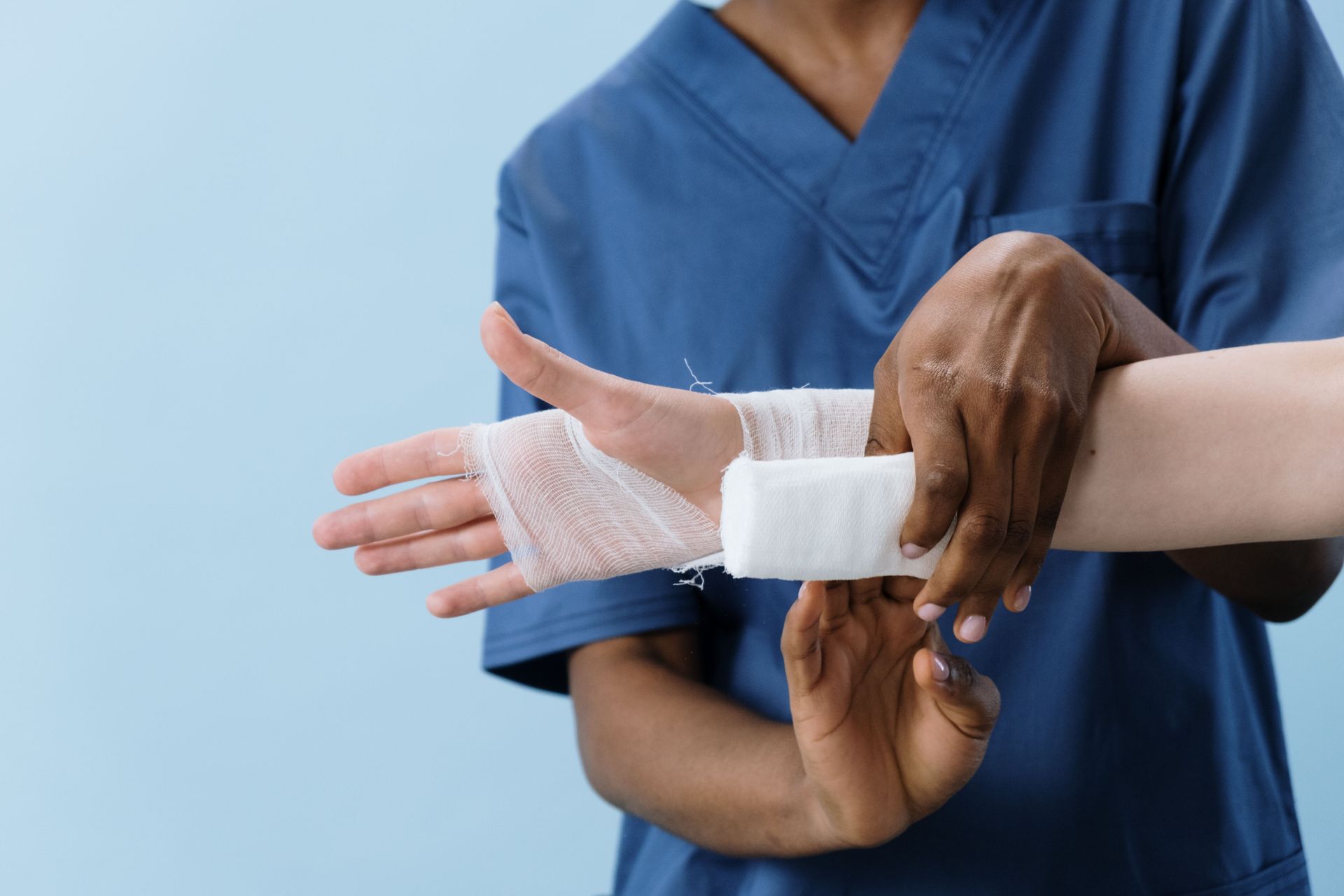
Wound healing timelines vary based on wound type, individual health conditions like diabetes, and whether complications develop during recovery.
What signs indicate a wound infection is developing?
Increased redness spreading beyond the wound edges, warmth to touch, drainage that becomes cloudy or develops foul odor, fever above 100.4°F, and increased pain despite medication all suggest infection requiring immediate medical contact.
How often should wound dressings be changed during recovery?
Dressing change frequency depends on drainage volume and wound type—heavily draining wounds may require twice-daily changes, while clean surgical incisions may need changes every two to three days as directed by your surgeon.
What documentation helps physicians track healing progress?
Caregivers measure wound dimensions, photograph appearance changes with patient consent, record drainage characteristics and volume, and note any new symptoms like increased pain or surrounding skin breakdown for review during follow-up appointments.
When does wound care transition from skilled nursing to support services?
Once the initial post-surgical period passes and the wound shows consistent healing without complications, many patients transition from daily skilled nursing visits to less frequent monitoring support combined with regular physician follow-up.
How does nutrition affect wound healing speed?
Adequate protein intake provides amino acids necessary for tissue repair, while hydration maintains skin elasticity and supports circulation that delivers oxygen and nutrients to healing areas—deficiencies in either significantly slow recovery regardless of proper wound care technique.
Answers to Frequent Wound Care Questions
Wound care support from Royalty Care Mobile Nursing Services provides consistent observation that catches complications early while allowing recovery to proceed in the comfort of your own home. Call to discuss wound care assistance based on your specific healing timeline and medical team recommendations.