
Recognizing the Right Moment for Support
When Is It Time For Home Care in Georgia for families noticing increased safety risks or daily routine challenges
Royalty Care Mobile Nursing Services addresses the specific moment when aging in place requires structured assistance, particularly when individuals begin experiencing difficulty with bathing, dressing, or mobility tasks that were once routine. Families in Savannah face this decision when they notice a loved one struggling with personal hygiene, skipping meals due to preparation difficulty, or becoming isolated due to limited mobility. The transition often becomes necessary when safety concerns outweigh the benefits of complete independence, especially after a fall or when medication schedules become too complex to manage without oversight.
This service involves evaluating seven distinct care triggers: personal routine management difficulties, social isolation risks, fall hazards, post-hospitalization recovery needs, medication schedule complexity, cognitive decline symptoms, and caregiver exhaustion. Each situation demands a different care approach, from companion visits that address loneliness to skilled nursing that manages wound care after surgery.
Schedule a home assessment to identify which care services align with your family's current situation and safety priorities.
How Daily Routine Struggles Signal Care Needs
When bathing becomes a fall risk rather than a routine task, or when dressing requires assistance due to limited arm mobility or balance issues, the functional threshold for independent living has shifted. Personal care services address these hygiene and grooming tasks directly, while companion care provides the supervisory presence needed during activities like meal preparation or light housekeeping that carry injury risk when attempted alone.
After care begins, families notice their loved one maintaining better personal hygiene standards, wearing clean clothing appropriate to the weather, and eating regular meals rather than skipping nutrition due to preparation difficulty. The home environment becomes safer as care providers identify hazards like loose rugs or poorly lit hallways during routine visits.
Respite care specifically addresses caregiver burnout by providing scheduled relief shifts, allowing family members to maintain their own health appointments, work responsibilities, or simply rest without leaving their loved one unsupervised. Dementia care support introduces structured routines that reduce confusion and wandering behaviors while keeping individuals in familiar home surroundings rather than institutional settings.
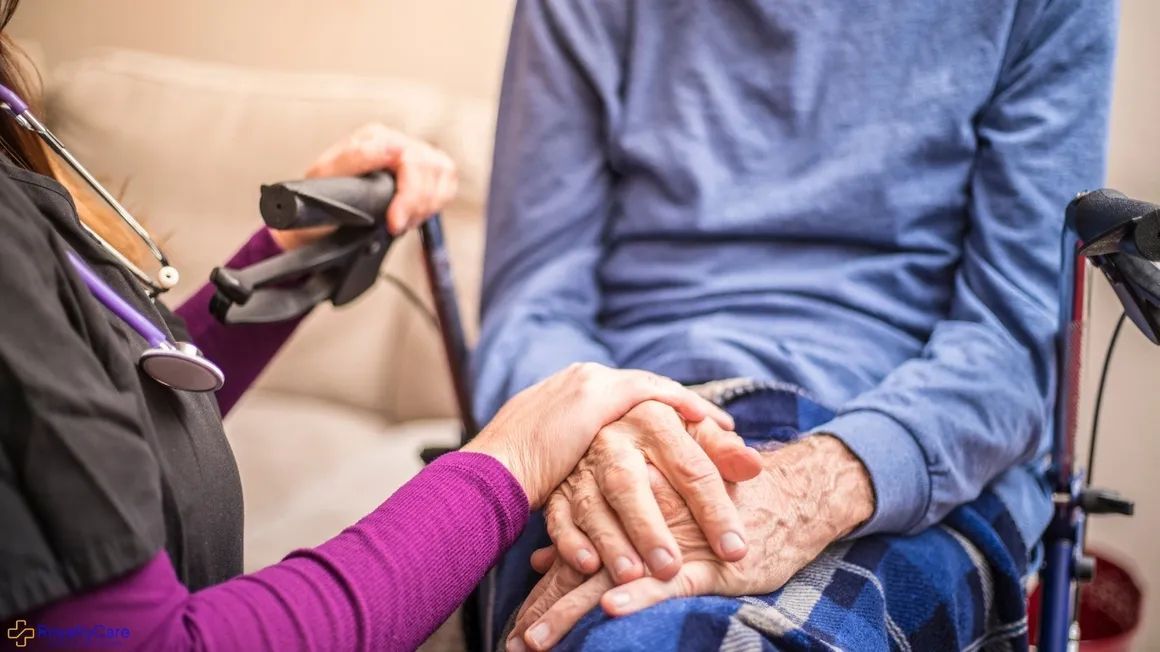
Deciding when to begin home care often raises questions about timing, service options, and what changes to expect once professional support starts.
What specific signs indicate my loved one can no longer safely manage alone?
Observable indicators include skipped medications, unchanged clothing over multiple days, spoiled food in the refrigerator, unexplained bruises suggesting falls, and withdrawal from previously enjoyed social activities—each pointing to a different care need.
How does after-surgery care differ from regular companion visits?
Post-surgical care includes wound monitoring, surgical site cleanliness checks, strict medication schedules, mobility restrictions enforcement, and symptom tracking to prevent complications like infection or blood clots that require immediate medical attention.
When should medication management services start?
This becomes necessary when you find missed doses, duplicate doses taken too close together, confusion about which pills serve which purpose, or difficulty opening pill bottles and reading prescription labels.
What makes home care different from facility-based care?
In-home services preserve the familiar environment that supports cognitive function in dementia patients, eliminate exposure to institutional infections, and allow pets and family routines to continue without disruption while still providing professional medical oversight.
How quickly can care begin after hospital discharge?
Skilled nursing care and post-hospitalization support can typically start within 24 to 48 hours of discharge, coordinating directly with hospital case managers to ensure wound care supplies, medication lists, and mobility equipment are ready when your loved one arrives home.
Questions Families Ask Before Starting Care
Royalty Care Mobile Nursing Services helps families navigate these decisions through structured assessments that match care levels to current functional abilities and safety requirements. Request your free guide to learn the detailed indicators for each care type and how to prepare your home for the transition to professional support.
Request Your Free Home Care Readiness Guide And Complementary In Home Consultation
Complete this form to receive a detailed guide explaining the seven care triggers, preparation checklists, and questions to ask during your first assessment.Request Your Free Home Care Readiness Guide And Complementary In Home Consultation
Contact Us
Thank you for reaching out for your complimentary consultation!
Please download your readiness guide and a member of our team will be reaching out within the next 24hrs.
Please try again later.